
When to Visit Livingstone
“The Seasons of Victoria Falls”
Livingstone is a superb year-round destination, with each season offering a different perspective on the Zambezi River and the iconic Victoria Falls. Whether you’re drawn by dramatic water levels, wildlife encounters or warm, sun-filled days, there is always something special to experience along this legendary stretch of river. Let’s hop into the year in more detail!
Our year is defined by three broad seasons: The Emerald (Green) Season, The Transition and The Dry Season — each offering very different experiences for travellers.
The Green Season or “Emerald Season”
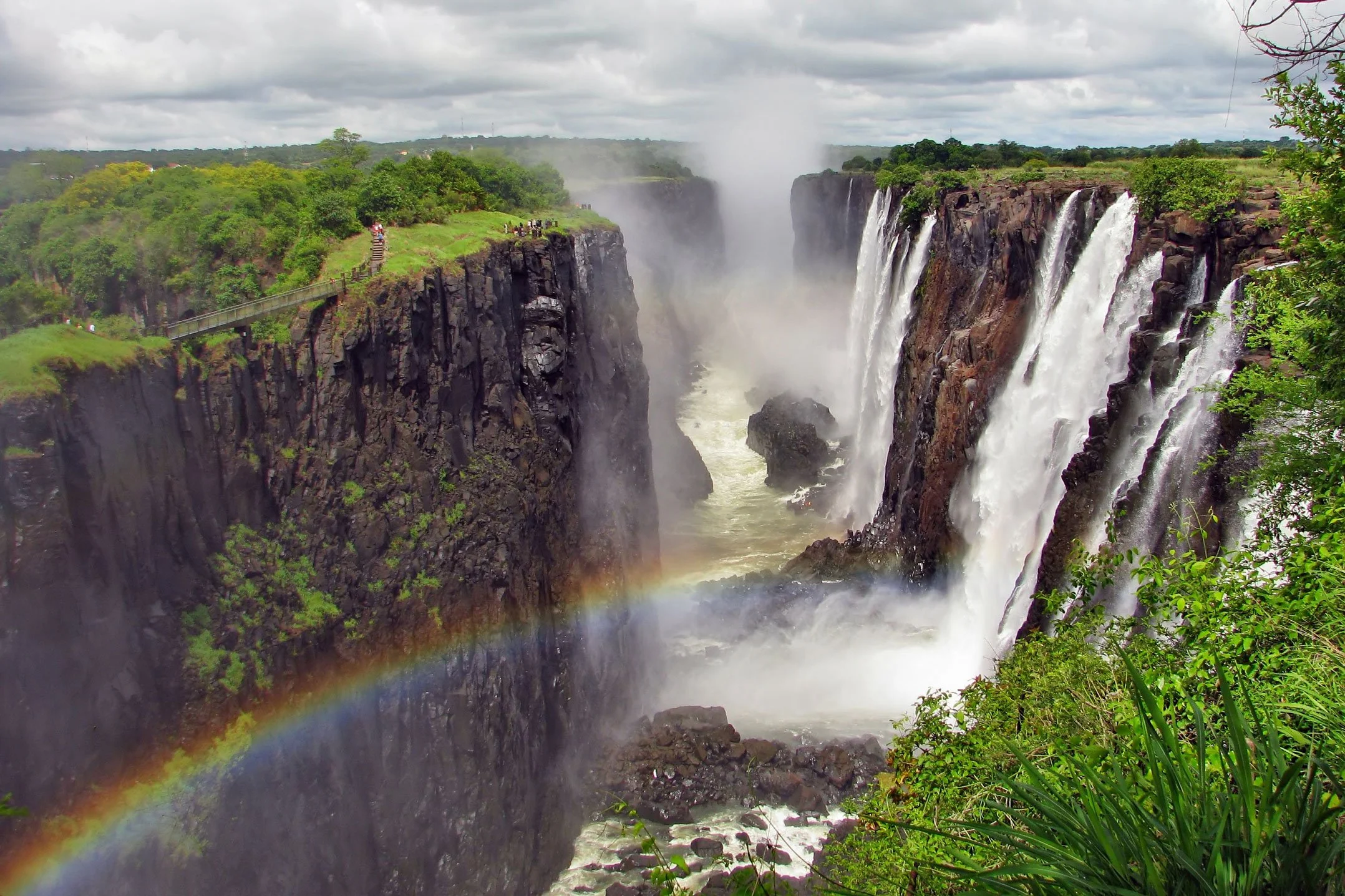
January is invariably a wet month in Livingstone, with heavy downpours followed by bright, sunny spells. Daytime temperatures average 28°C+ with moderate humidity. Victoria Falls begins to build towards peak flow as rainfall across Zambia and the Angolan highlands feeds the Zambezi. Spray and mist increase daily, and views become atmospheric rather than panoramic.
This is Zambia’s Green Season. The riverine bush around Livingstone is lush and thick, making wildlife sightings more scattered. However, this is calving season, so young antelope are often seen in Mosi-oa-Tunya National Park. Migratory birds arrive in large numbers, many in full breeding plumage, making birding exceptional.
Boat cruises operate beautifully at this time, with dramatic cloud formations and vivid reflections on the river.
February is the heart of the rainy season. Thunderstorms typically deliver rain most days, though often only for a few hours. The Zambezi continues to rise, and Victoria Falls becomes increasingly powerful, with heavy spray limiting visibility at close viewpoints. Wildlife remains dispersed due to abundant water, but birdlife is prolific. Kingfishers, bee-eaters, cuckoos, and raptors are particularly active and the surrounding landscape is at its most vibrant.
March usually marks the final month of the rains. Showers become lighter and less frequent, while temperatures reach 29°C.
Victoria Falls approaches peak volume, producing an awe-inspiring wall of water and thunderous sound. Spray can be intense, especially along the Knife-Edge Bridge. Wildlife viewing remains secondary to scenery, but birding remains outstanding as breeding activity continues.
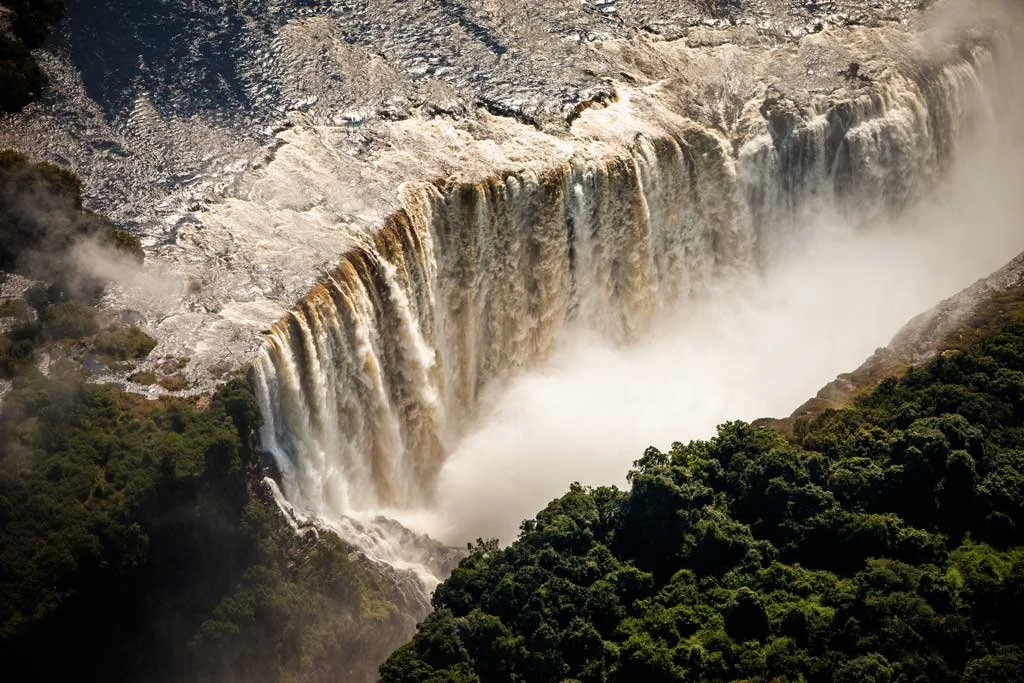
March to May marks Victoria Falls at peak flow, when the Zambezi River is at its most powerful and dramatic. Fed by rains across Zambia and the Angolan highlands, the river swells into an immense curtain of water, earning its local name Mosi-oa-Tunya — “The Smoke That Thunders.” During peak flow, more than 500 million litres of water per minute pour over the Falls. The sound is thunderous, the ground trembles underfoot, and towering columns of spray rise hundreds of metres into the air, often creating full rainbows and lunar rainbows in the mist.
The Transition Season
April is a transitional month in Livingstone. The rains taper off, humidity drops, and clearer skies return. Victoria Falls is now in full flood, offering its most dramatic and powerful display of the year. The Zambezi River reaches peak levels, making boat cruises particularly scenic, though some activities near the Falls are restricted due to high water.
Wildlife begins to re-establish movement patterns as water slowly recedes, while birdlife remains rich with both resident and migratory species still present.
The Dry Season
May is the first fully dry month. Days are clear, cooler, and comfortable. Victoria Falls remains spectacular but visibility improves as spray reduces slightly. Livingstone Island and Devil’s Pool normally remain closed due to high water levels.
Wildlife sightings improve in Mosi-oa-Tunya National Park as animals begin to move closer to the river. Birdlife remains excellent, with large waterbirds and fish-eagles frequently seen along the Zambezi.
In June, days are bright and sunny with highs around 25°C, while evenings can drop to 12°C. The Zambezi River begins to recede noticeably. Wildlife congregates along the riverbanks, and game viewing steadily improves. Birdlife remains varied, with herons, storks and raptors commonly seen on river cruises.
July is the coolest month of the year, with crisp mornings and evenings. Victoria Falls still carries significant volume but with much clearer viewpoints. Wildlife viewing is strong, with buffalo, giraffe, zebra, and antelope regularly seen in Mosi-oa-Tunya. Birding remains productive, particularly for raptors and river-dependent species.
The transition period marks the shift from peak flow to low water at Victoria Falls. The Zambezi begins to recede, reducing spray and mist while still carrying impressive volume over the Falls. This creates the best balance between power and visibility — the thunder remains, but clear views of the Falls and gorge return.
August brings comfortable temperatures and excellent conditions for both wildlife and activities. The Zambezi has dropped enough for Livingstone Island and Devil’s Pool to reopen. Wildlife is increasingly concentrated near permanent water, making sightings reliable. Large flocks of waterbirds gather along shrinking pools, creating excellent photographic opportunities. This is peak season in Livingstone, with high demand for accommodation and activities.
September is one of the best months to visit Livingstone. Victoria Falls continues to recede, offering clear views of the gorge and rock formations. Wildlife activity is high as dry conditions intensify. Carmine Bee-eaters are present along riverbanks, and elephant sightings increase along the Zambezi. Birdlife remains diverse, and predator activity in surrounding areas becomes more visible as prey species concentrate near water.
October is Livingstone’s hottest month, with temperatures often exceeding 40°C in the valley. Victoria Falls reaches its lowest flow, revealing dramatic basalt cliffs and allowing maximum access to activities. Game viewing is at its most intense, as wildlife must visit the river frequently. This creates excellent predator-prey interactions, particularly in the cooler early mornings and late afternoons.
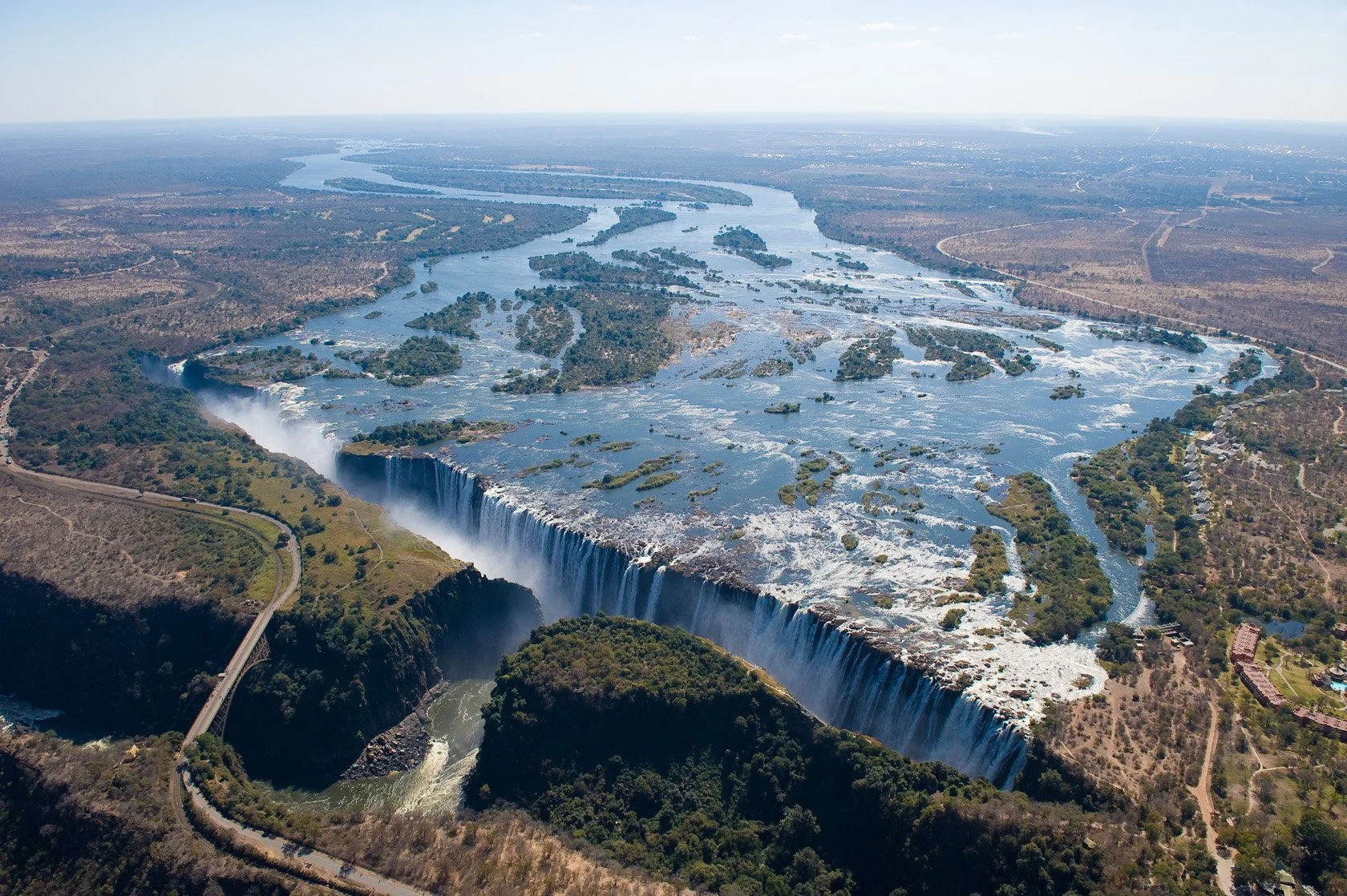
During the low water season, the Zambezi River drops to its lowest levels, revealing the dramatic basalt cliffs and intricate channels of Victoria Falls. With minimal spray and clear air, visibility is excellent, offering striking views into the gorge and across the Falls. This period allows maximum access to activities, including Livingstone Island and Devil’s Pool, and delivers outstanding wildlife viewing along the river as animals concentrate around permanent water.
Return of the Rains
In November, the first storms typically arrive, bringing dramatic skies and relief from the heat, though rainfall timing can be unpredictable. Victoria Falls remains low early in the month before slowly beginning to build again. Wildlife gives birth as the rains break, and the bush rapidly turns green. Migratory birds return in force, filling the air with song.
December brings more consistent rainfall, cooling temperatures to around 30°C. The Zambezi begins to rise again, and Victoria Falls slowly regains volume. Dust clears from the air, colours become vivid, and photography is outstanding. Migratory bird numbers peak, and breeding behaviour is widespread across species.
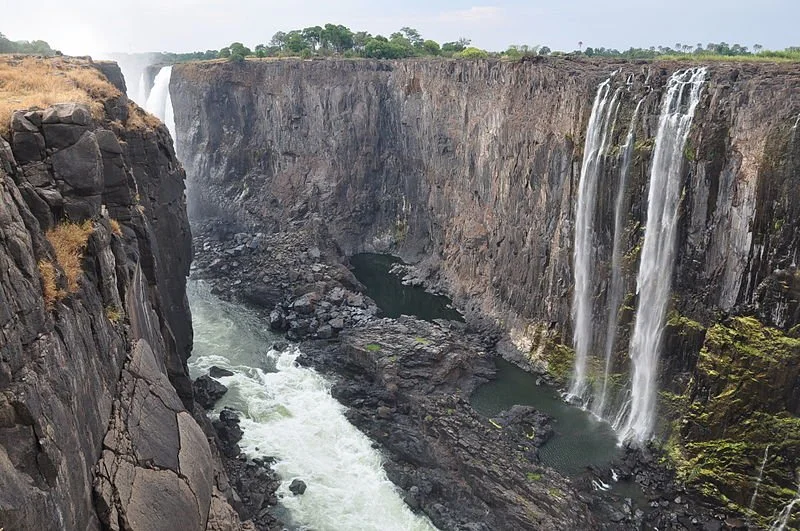
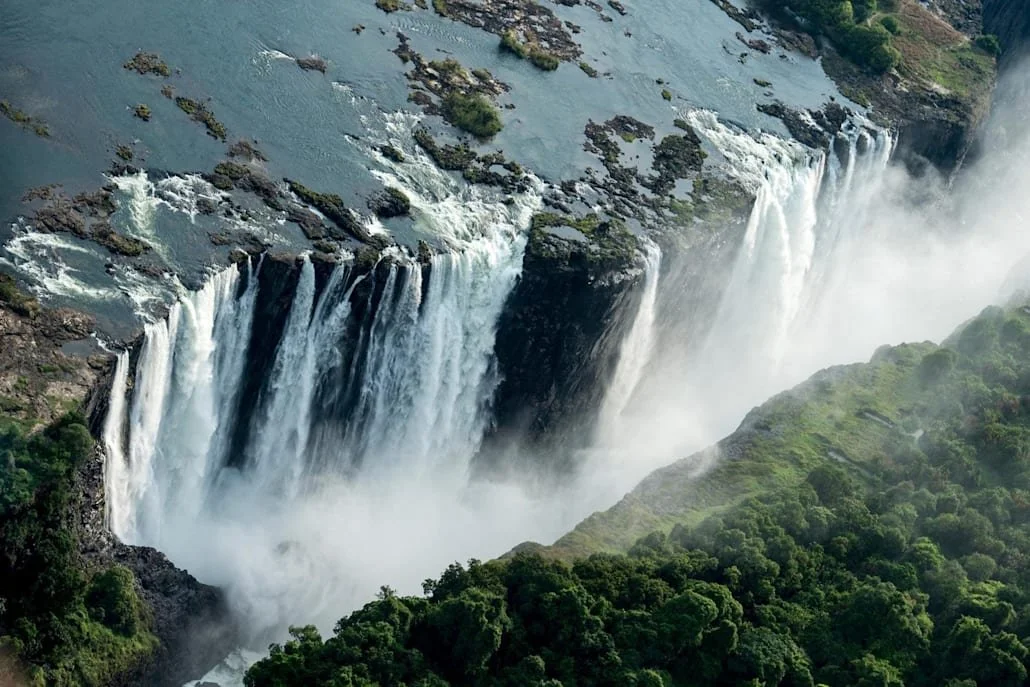
As the first rains arrive, the Zambezi River begins to rise and Victoria Falls slowly comes back to life. Fresh green growth spreads along the riverbanks, humidity lifts the heat, and the first curtains of water return to the rock face. This is a time of renewal and transition — dramatic skies, fewer visitors, returning birdlife, and the sense of the Falls awakening once again as the river gathers strength for the months ahead.