
Zambia Safari : The Ultimate Packing Guide
Heading on a safari in Zambia is exciting — the thrill of wildlife sightings, endless savannahs, and the chance to spot Africa’s iconic animals make it an unforgettable adventure. But a smooth, enjoyable safari starts long before you arrive — it begins with what you pack. Here’s a comprehensive guide to ensure you have everything you need for your Zambian adventure!
Plan Your Clothing Around the Seasons!
Lightweight, breathable cotton clothing in neutral tones is essential for safari days. Khaki, olive, tan, or muted greens help you blend into the bush, avoid startling wildlife, and hide dust from game drives.
Long-sleeved shirts and trousers protect against mosquitoes and sun exposure, especially near rivers or at dusk.
Warm layers are recommended for May–August — mornings and evenings can be surprisingly chilly on game drives or river trips. Think fleece, packable down jackets, scarves, and beanies.
During hot months (September–December), cotton shirts, shorts, or lightweight sarongs/pareos will keep you cool.
Rainy season (November–March) requires quick-dry clothing for sudden afternoon showers.
Riding enthusiasts: Don’t forget your horse-riding clothes!
Style tips: Avoid dark blue or black (attracts tsetse flies) and camouflage (reserved for military use). Bright clothes can be saved for evenings; most guests prefer low-key safari attire.
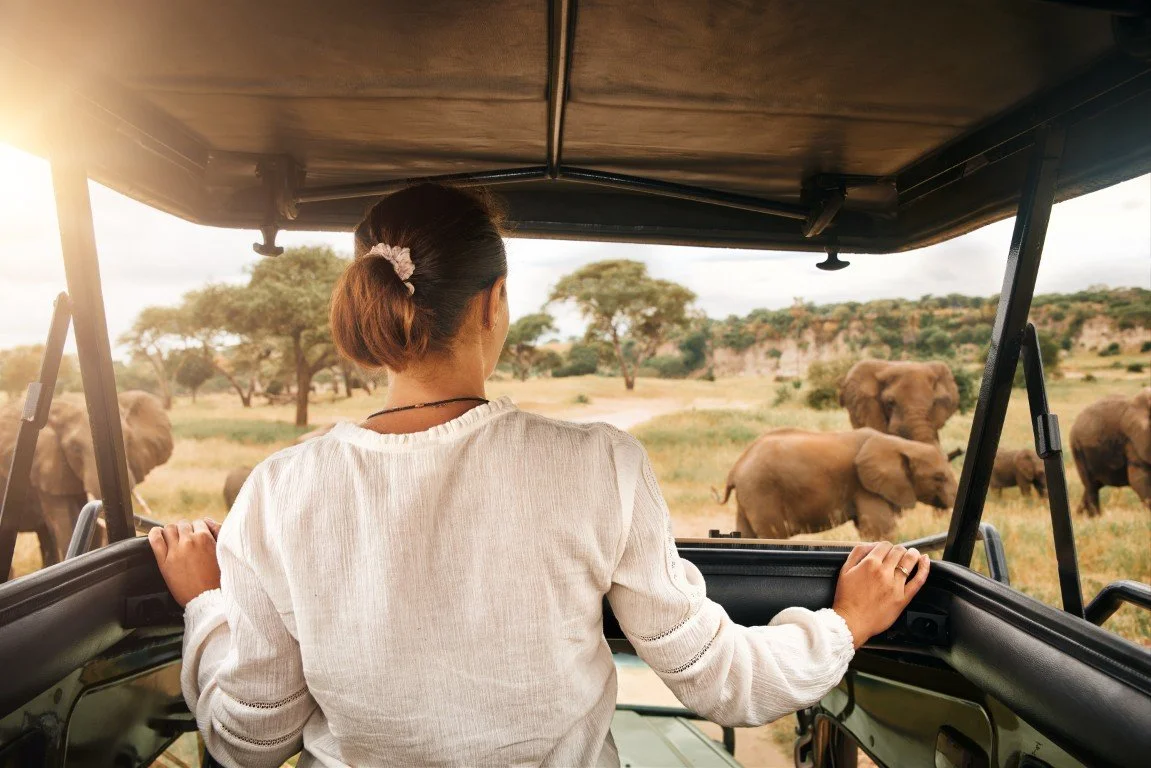
For a safari in Zambia, lightweight cotton clothing in light or neutral shades is essential.
Footwear: Comfort Meets Function
Choose closed shoes or lightweight trainers for game drives, bush walks, and walking safaris. They protect against uneven terrain, insects, and thorns, while providing all-day comfort.
For relaxing around camp or by the river, sandals or flip-flops are ideal. Don’t forget socks for cooler mornings or to wear with trainers on early game drives. Avoid high heels — they’re not suited for gravel paths, wooden walkways, or sandy riverbanks.
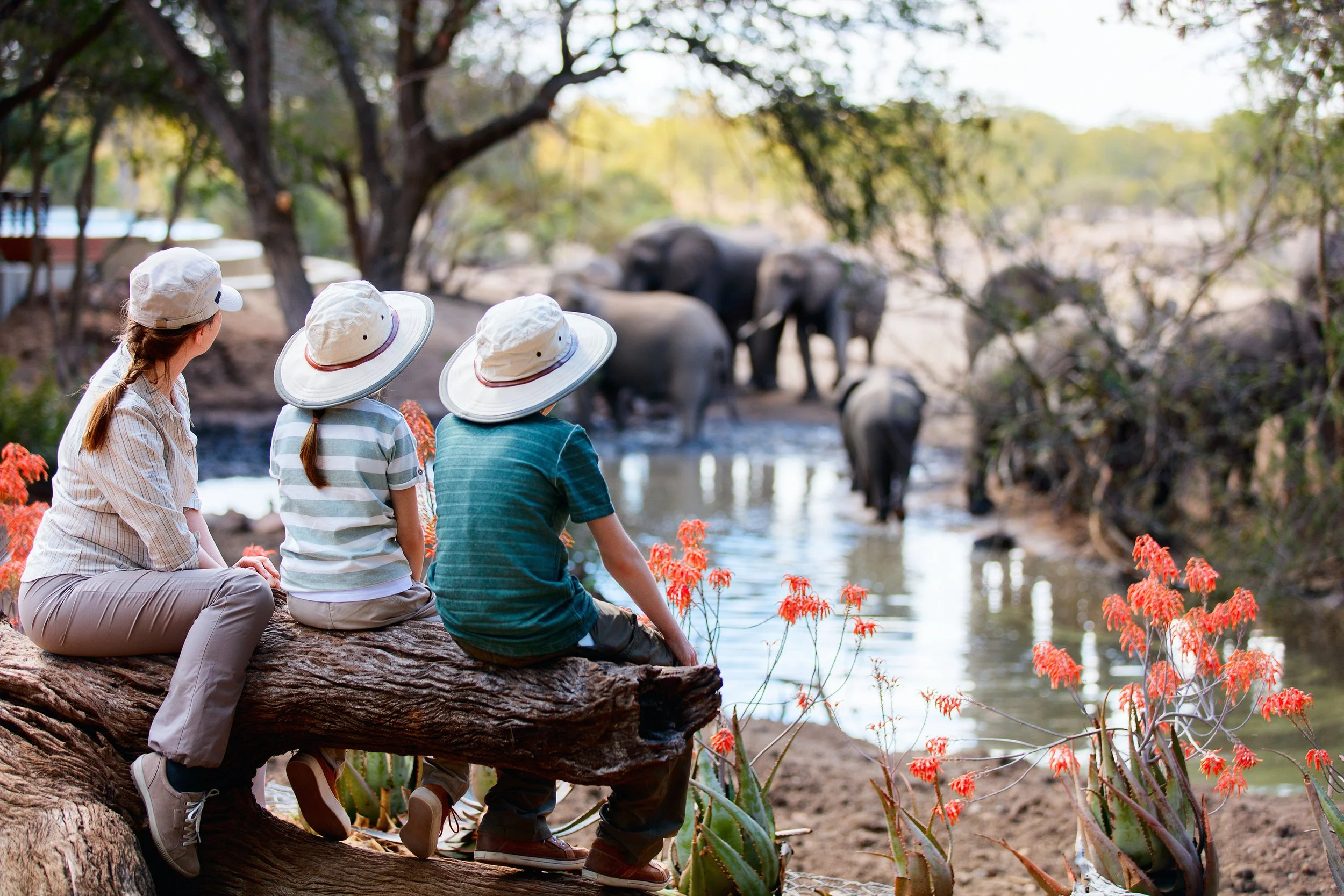
Your footwear can make or break a safari experience.
Sun Protection Essentials
The African sun is strong, especially during river-based activities like sunset cruises or rafting. Protect yourself with:
A wide-brimmed hat to shield your face, neck, and ears from direct sunlight.
Polarized sunglasses to reduce glare from water and sand, making wildlife spotting easier.
SPF 50+ sunscreen and a lightweight scarf or cotton pareo for extra coverage.
Proper sun protection ensures you stay comfortable and safe while enjoying the bush or river.
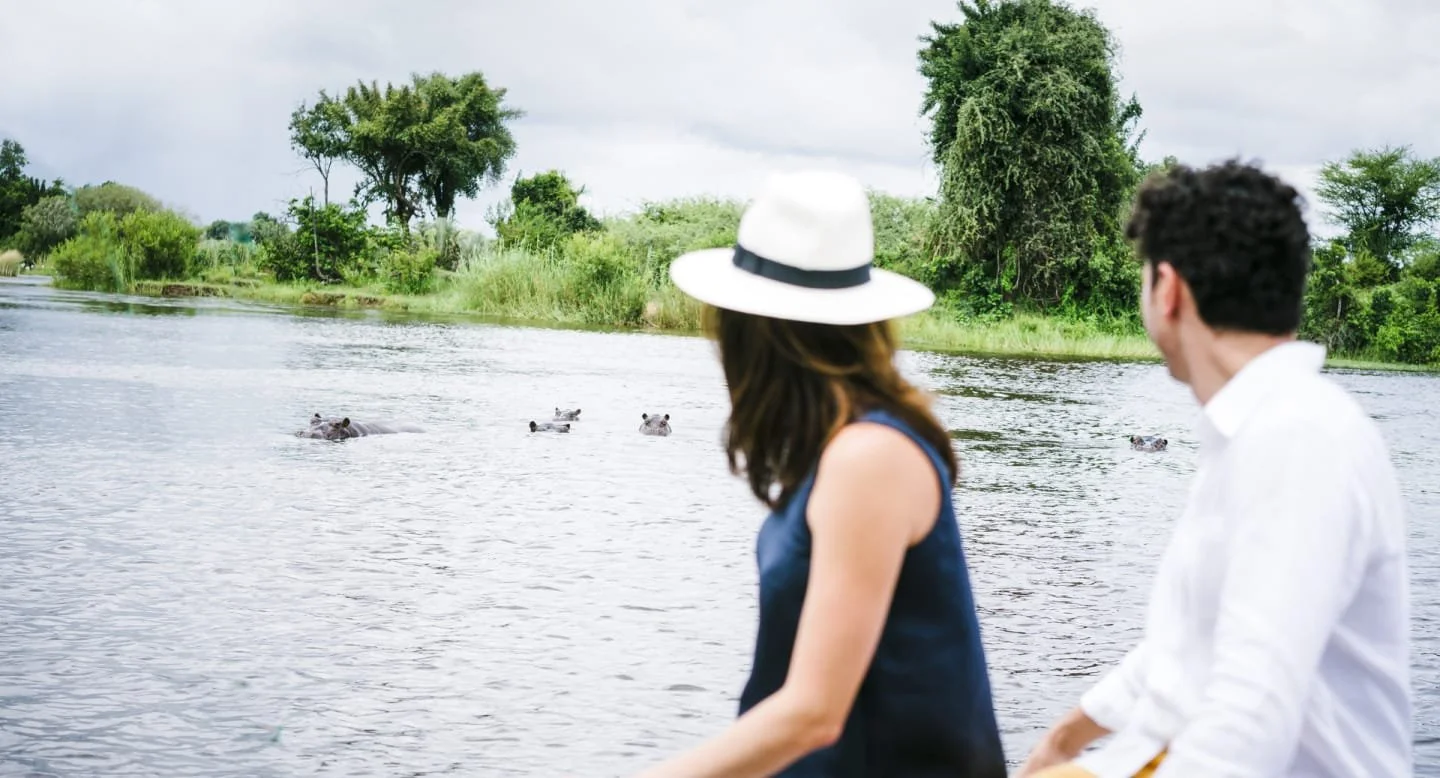
The African sun is strong year-round, and protecting your skin and eyes is crucial for a comfortable safari.
Swimwear & Extras
Swimwear or board shorts are essential for lodge pools, river dips, and adventures like white-water rafting on the Zambezi. Quick-dry fabrics are ideal and secure swimsuits or shorts help you stay comfortable during rapids. A light rash guard or t-shirt can provide extra sun protection, and don’t forget your water shoes for the hike in and out of the Batoka Gorge.
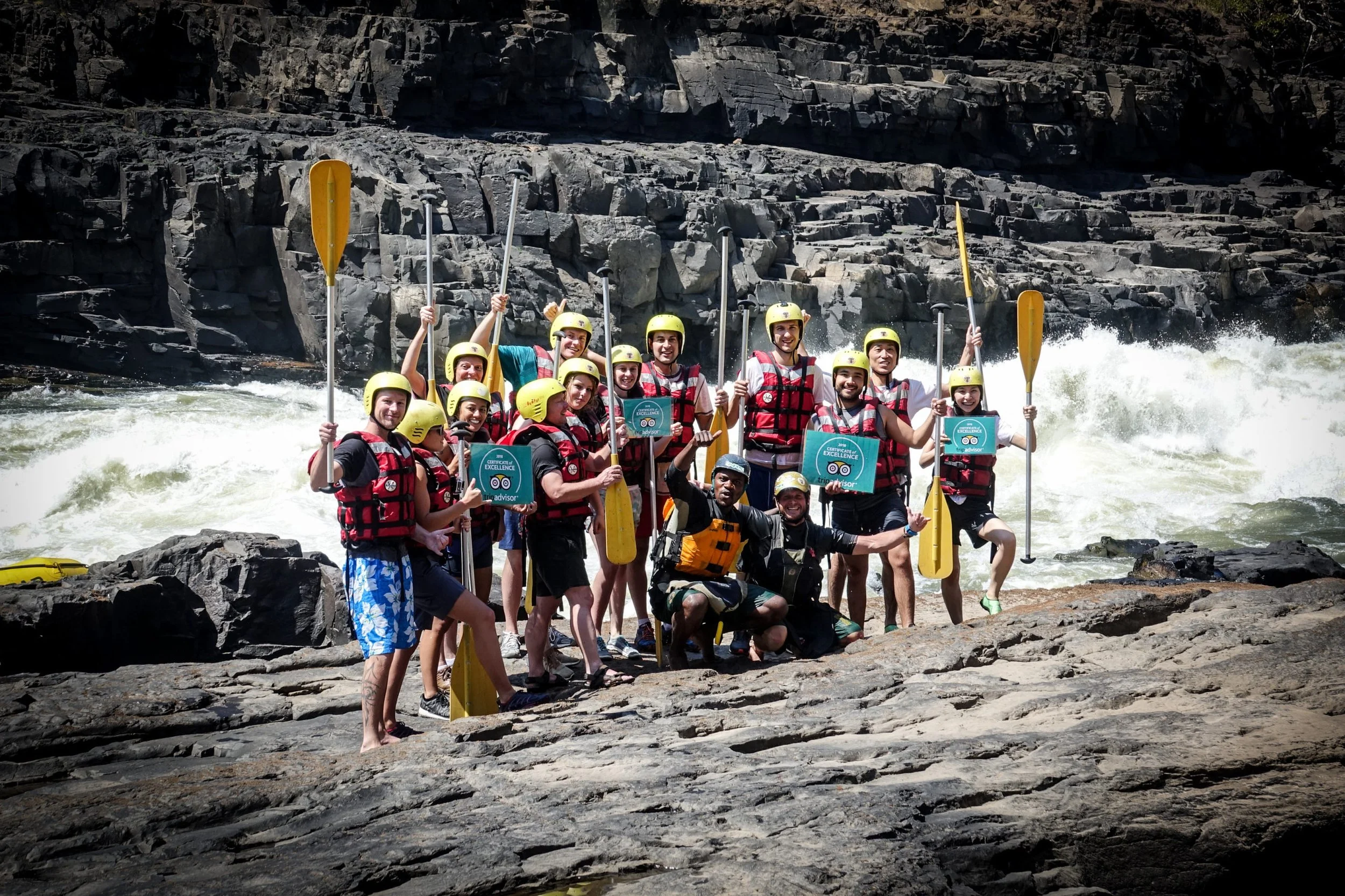
Whether you’re cooling off at the lodge pool or taking on white-water rafting adventures on the Zambezi, board shorts are a must!
Electronics & Gadgets
Bring a good camera with a zoom lens and extra memory cards to capture wildlife. Binoculars are also highly recommended — they let you spot elephants, lions, and birds without disturbing the animals.
Most camps provide charging facilities, but you’ll need a UK-style 3-pin plug adaptor for phones, cameras, and other electronics.
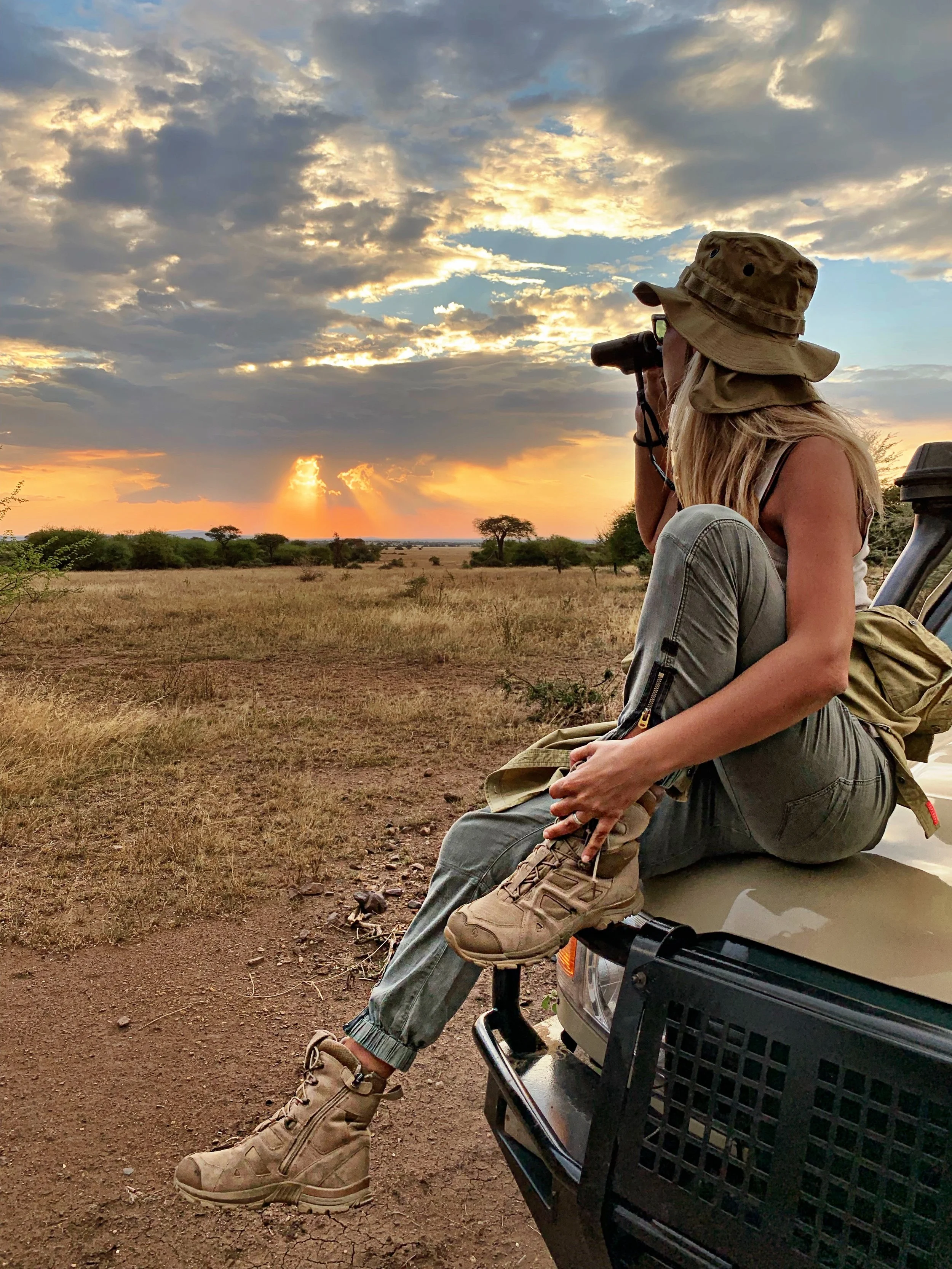
A good pair of binoculars makes all the difference on safari.
Medical & Personal Essentials
A small first-aid kit is recommended!
Chronic medication if required
Insect repellent and antihistamine
Plasters and basic first aid items
Anti-malarial prophylaxis, if applicable
Also consider leaving fine jewelry at home for safety and convenience.
Most lodges and camps provide soap, shampoo and conditioner for your convenience!
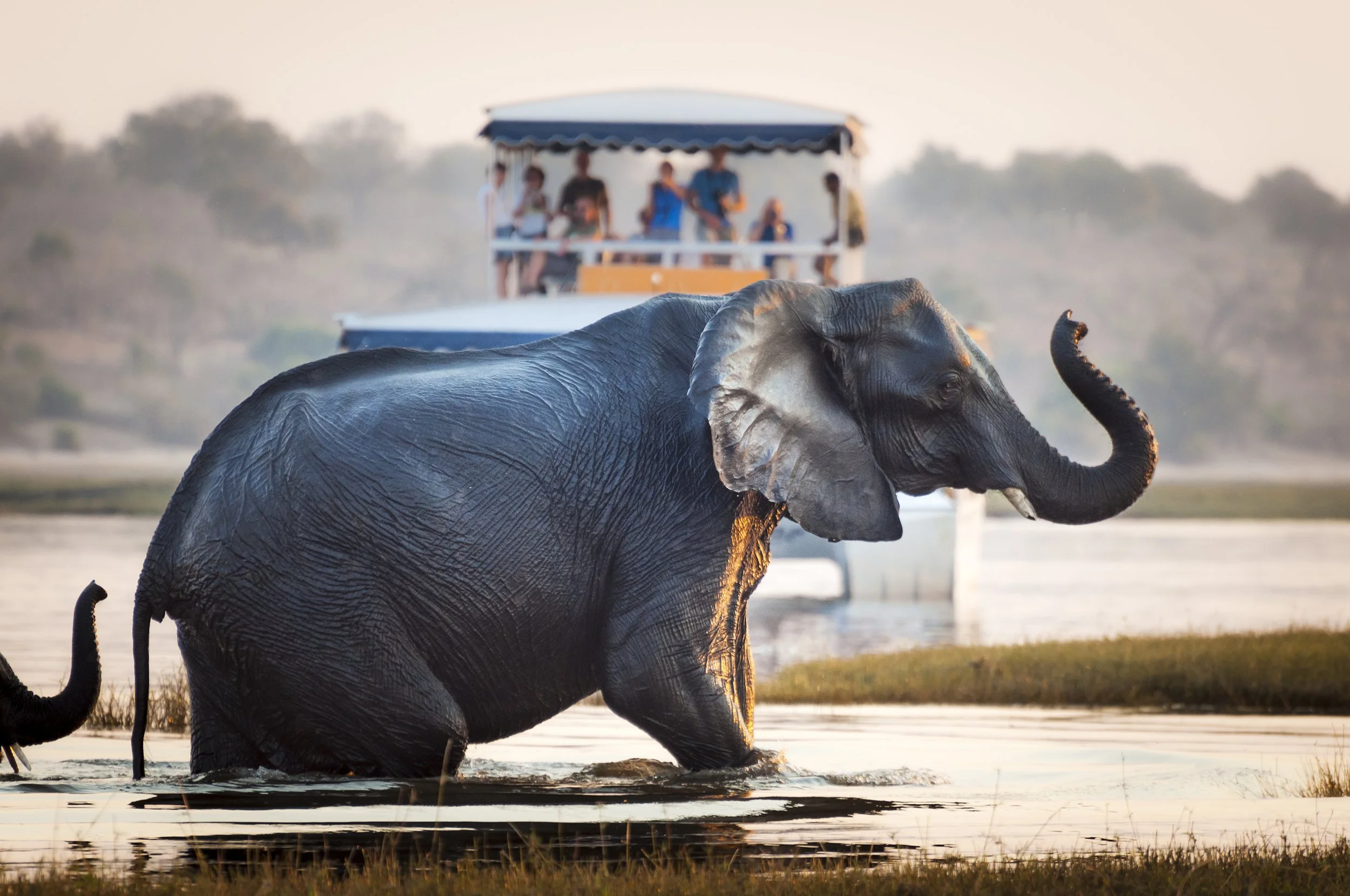
A small first aid kit is recommended — include plasters, antiseptic wipes and any basic medications you may need. Safari adventures can sometimes take you into remote areas, so having these items on hand ensures you’re ready for minor emergencies and keeps your trip stress-free.
Luggage Tips
Soft bags are preferred, especially for domestic charter flights with limited stowage.
International airlines typically allow 23kg, while small domestic planes often limit luggage to 12–15kg.
Most lodges offer daily laundry, so packing light is practical and stress-free.
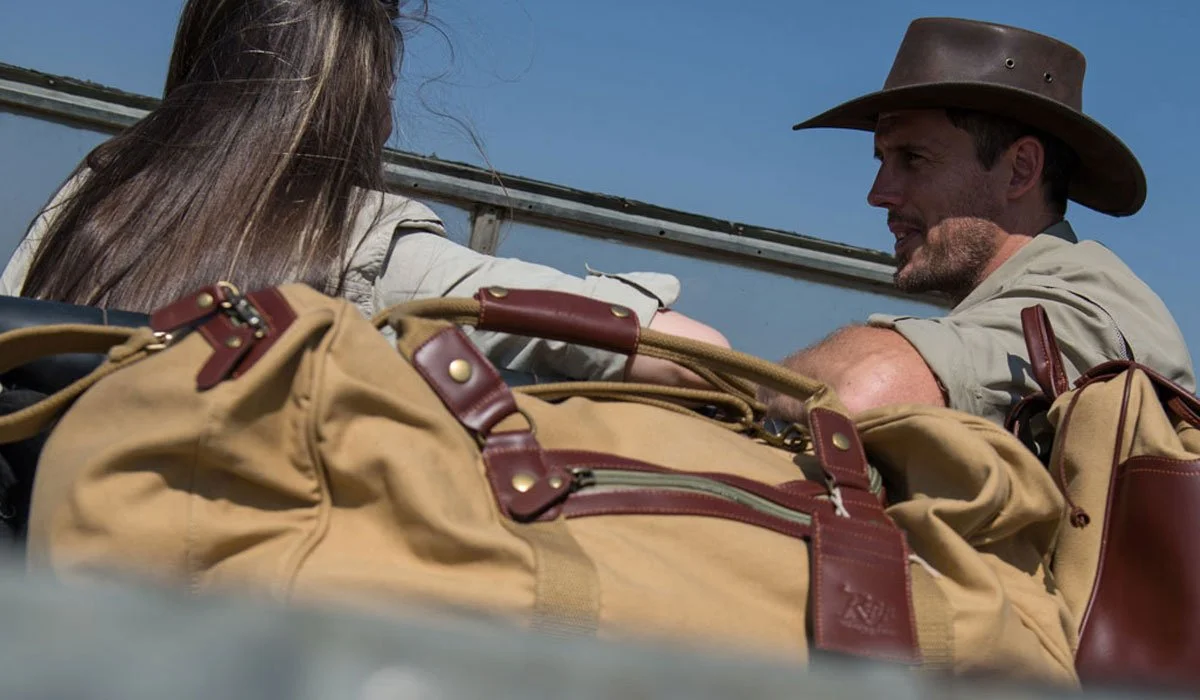
For your main large duffel or holdall, choose safari luggage which is soft and squashable and which has no frame. © The Safari Store.
Culture & Practical Tips
Zambia is conservative, especially in towns like Livingstone. Dress modestly when visiting local areas!
Keep a little extra space in your bag for school or art supplies to donate locally via Pack for a Purpose, and fill remaining space with souvenirs.
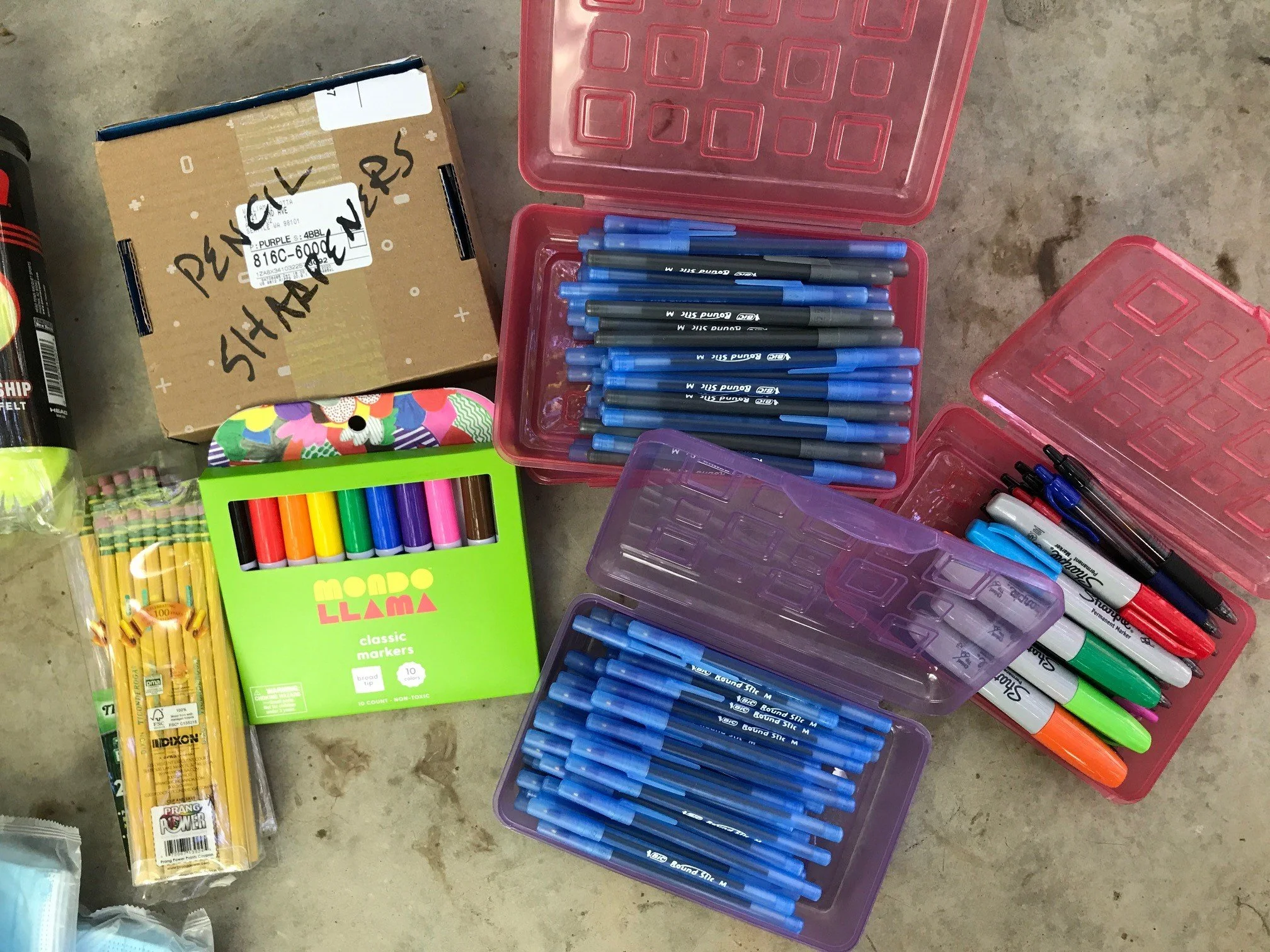
If you have a little extra space in your suitcase, consider making a difference while you travel. Many rural schools and communities in Zambia are in desperate need of supplies. Items such as stationery, PPE, sports equipment, learning aids, and warm clothing go a long way and are distributed directly to beneficiaries as soon as possible. Even simple items like pencils, pens, and paper can make a huge difference for students and teachers, helping them learn, create and grow. By packing a few extra essentials, you can turn your safari into a meaningful contribution that leaves a lasting impact.
Quick Safari Essentials Checklist
Light, breathable clothing in neutral tones
Long-sleeved shirts and trousers for sun/mosquito protection
Warm layers for winter months (May–August)
Trainers or hiking shoes + sandals
Socks for cooler mornings
Swimwear or board shorts for river adventures
Riding clothes if horseback riding
Hat, sunglasses, SPF 50+ sunscreen
Camera, binoculars, chargers, plug adaptors
Small medical kit & insect repellent
Soft luggage for charter flights
Packing smart ensures your Zambian safari is safe, comfortable, and unforgettable. With the right clothing, footwear, sun protection, and essential gadgets, you can focus on what really matters — spotting wildlife, enjoying the river and creating memories that will last a lifetime!